
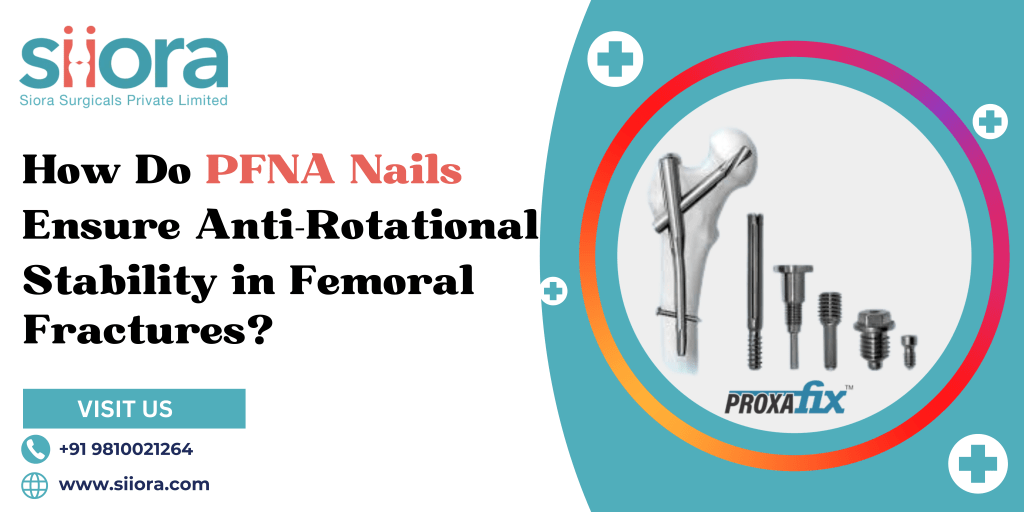
Femoral fractures, particularly those that occur in the upper part of the femur near the hip joint, can be serious injuries. Treatment for these types of fractures often involves surgical intervention to stabilize the bone and facilitate healing. One of the most effective tools used in modern orthopedic surgery to treat these fractures is the PFNA Interlocking Nail (Proximal Femoral Nail Anti-Rotation). This advanced device is specifically designed to ensure anti-rotational stability, a crucial element in the healing process of femoral fractures.
What is PFNA?
The Proximal Femoral Nail Anti-Rotation (PFNA) is an orthopedic implant used for stabilizing fractures in the proximal (upper) part of the femur. It is a type of intramedullary nail that is inserted into the central canal of the femur. The PFNA system includes a long rod (the nail) that runs along the length of the femur, with a specialized locking mechanism at the top. The most important feature of PFNA nails is their ability to prevent the rotation of the femoral bone during the healing process.
Why is Anti-Rotational Stability Important?
When a femoral fracture occurs, especially in the upper part of the bone, it is critical to restore proper alignment and maintain it throughout the healing process. One of the challenges in treating these fractures is preventing rotational movements of the femur. If the femur rotates after being fractured, it can lead to malalignment, delayed healing, or even complications like improper bone union, which can cause lasting mobility issues for the patient.
This is where the PFNA system excels. The nails are specifically designed to provide anti-rotational stability, which prevents the femur from twisting or turning while it heals. The ability to maintain proper alignment helps ensure that the fractured bone heals correctly, reducing the risk of complications.
How Does PFNA Provide Anti-Rotational Stability?
The PFNA system achieves anti-rotational stability through its innovative design. The nail itself is inserted into the femur through a small incision in the thigh. Once inside, it is locked in place using screws, typically two or three, that are inserted at various angles to hold the femur securely. These screws not only prevent the femur from moving vertically but also lock the bone in place to prevent rotational movement.
The key to the PFNA’s success in providing anti-rotational stability is its “anti-rotation mechanism.” This mechanism prevents the femur from twisting around the axis of the nail. The screws at the top of the nail lock into place in a way that restricts any unwanted rotational movements, ensuring that the bone remains in the correct position as it heals.
Advantages of PFNA in Femoral Fracture Treatment
PFNA nails offer several benefits in treating femoral fractures, particularly when it comes to anti-rotational stability. First, the anti-rotational feature ensures that the femur is aligned properly throughout the healing process, which leads to better outcomes for patients. Proper alignment not only helps the bone heal faster but also reduces the chances of long-term complications, such as chronic pain or the need for further surgery.
Second, because the PFNA system is minimally invasive, recovery times are often faster compared to traditional methods. The small incision used for inserting the nail means less trauma to the surrounding tissue, leading to reduced pain and a quicker return to normal activities.
Finally, the PFNA system is versatile and can be used to treat a variety of fractures, including intertrochanteric and subtrochanteric fractures. Its ability to provide both stability and support to the bone makes it an excellent choice for many patients.
Conclusion
In conclusion, PFNA nails play a vital role in ensuring the proper alignment and healing of femoral fractures by providing anti-rotational stability. The advanced design of these nails allows them to lock the bone in place, preventing twisting or movement that could interfere with the healing process. By offering this stability, PFNA nails help reduce the risk of complications, improve patient outcomes, and speed up recovery. For many individuals suffering from femoral fractures, the PFNA system represents a significant advancement in orthopedic treatment.To get an international standard range of orthopaedic implants and instruments, find experienced orthopedic supply companies.
 Siora Surgicals Pvt. Ltd.